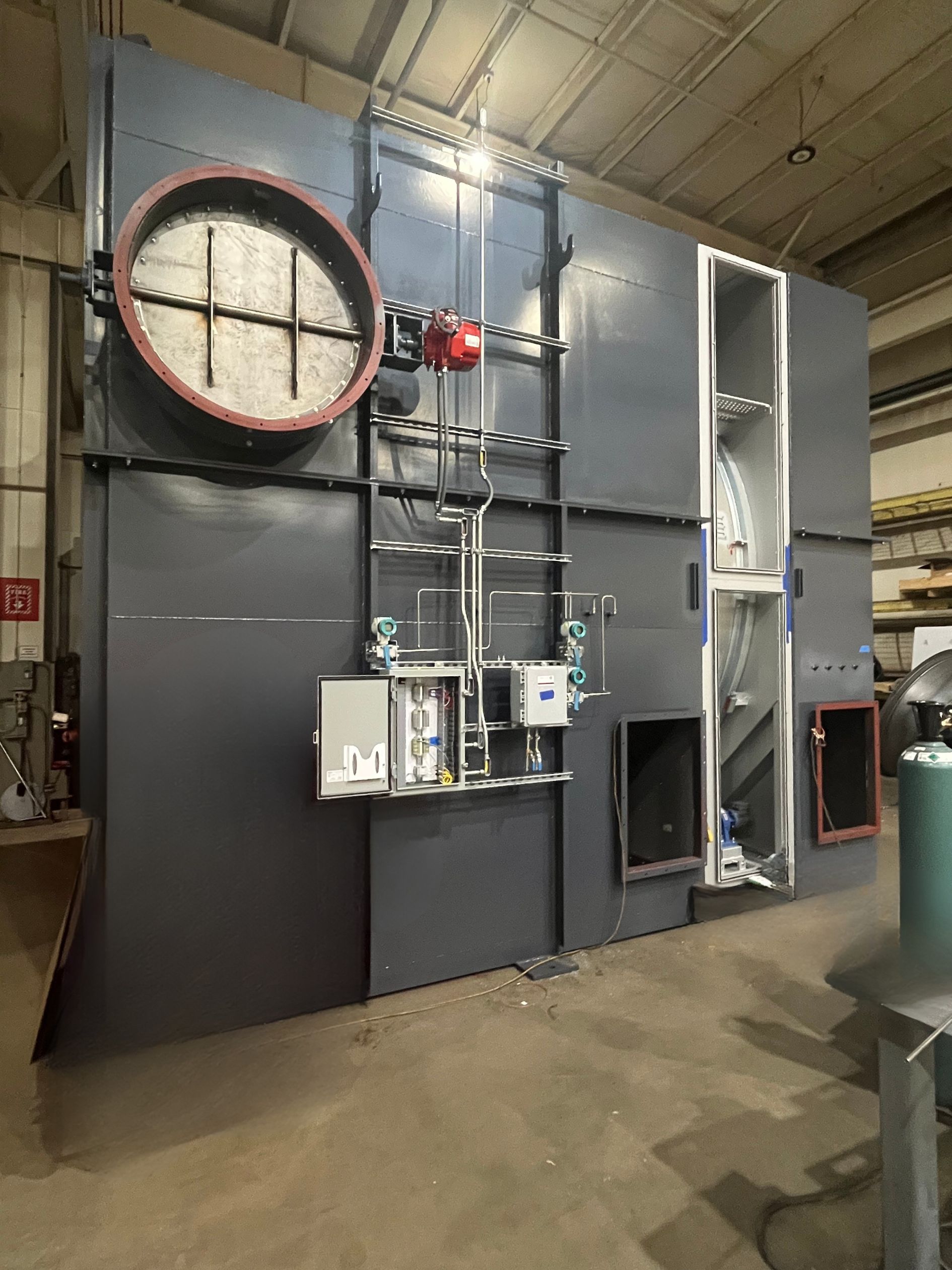
Zeolite VOC Concentrator Wheel Selection, Performance & Replacement
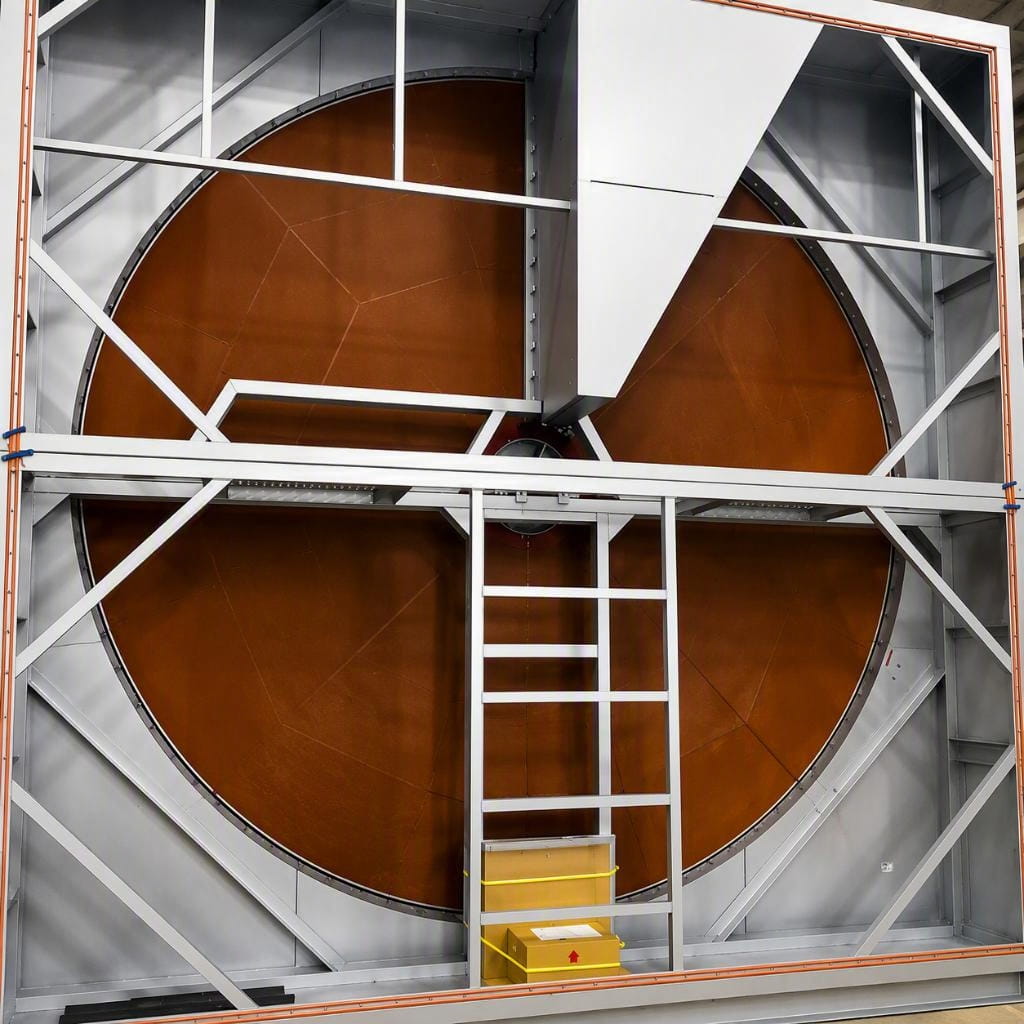
A zeolite wheel in a VOC rotary concentrator
A zeolite concentrator wheel (also called a zeolite rotor) is the adsorption component inside a VOC rotary concentrator. Its zeolite formulation, size and operating conditions determine which VOCs it can capture effectively and how much process air can be concentrated before it’s treated in an RTO or other oxidizer.
The wheel size, zeolite formulation and operating conditions all affect how well the system captures and concentrates VOCs. Kono Kogs can help select a new zeolite wheel for a custom VOC concentrator system or replace the wheel in an existing system.
Why zeolite is used for VOC adsorption
Zeolite is a naturally occurring (or synthetic) mineral with a highly porous, crystalline structure that can trap certain molecules within its pores. That makes it well suited for VOC concentration because it can adsorb organic compounds and release them again when heated.
In a rotary concentrator, this happens continuously. VOC-laden process air passes through the wheel and VOCs adsorb onto the zeolite. As the wheel rotates into the desorption zone, a smaller heated airstream releases the captured VOCs from the zeolite. The wheel then returns to the adsorption zone and repeats the process.
Hydrophobic zeolites are commonly used for VOC adsorption. Different zeolites also have different pore characteristics, which determine how effectively they capture VOC molecules of different sizes. Some zeolite rotor manufacturers use blends of zeolites with different pore sizes to cover a broader range of VOCs.
How a zeolite concentrator wheel works
A zeolite wheel typically rotates through three zones:
- Adsorption: Process air passes through the largest section of the wheel. VOCs are adsorbed onto the zeolite while the treated air exits the concentrator.
- Desorption: A smaller heated airstream passes through another section of the wheel and removes the captured VOCs.
- Cooling: The wheel is cooled before rotating back into the adsorption section.
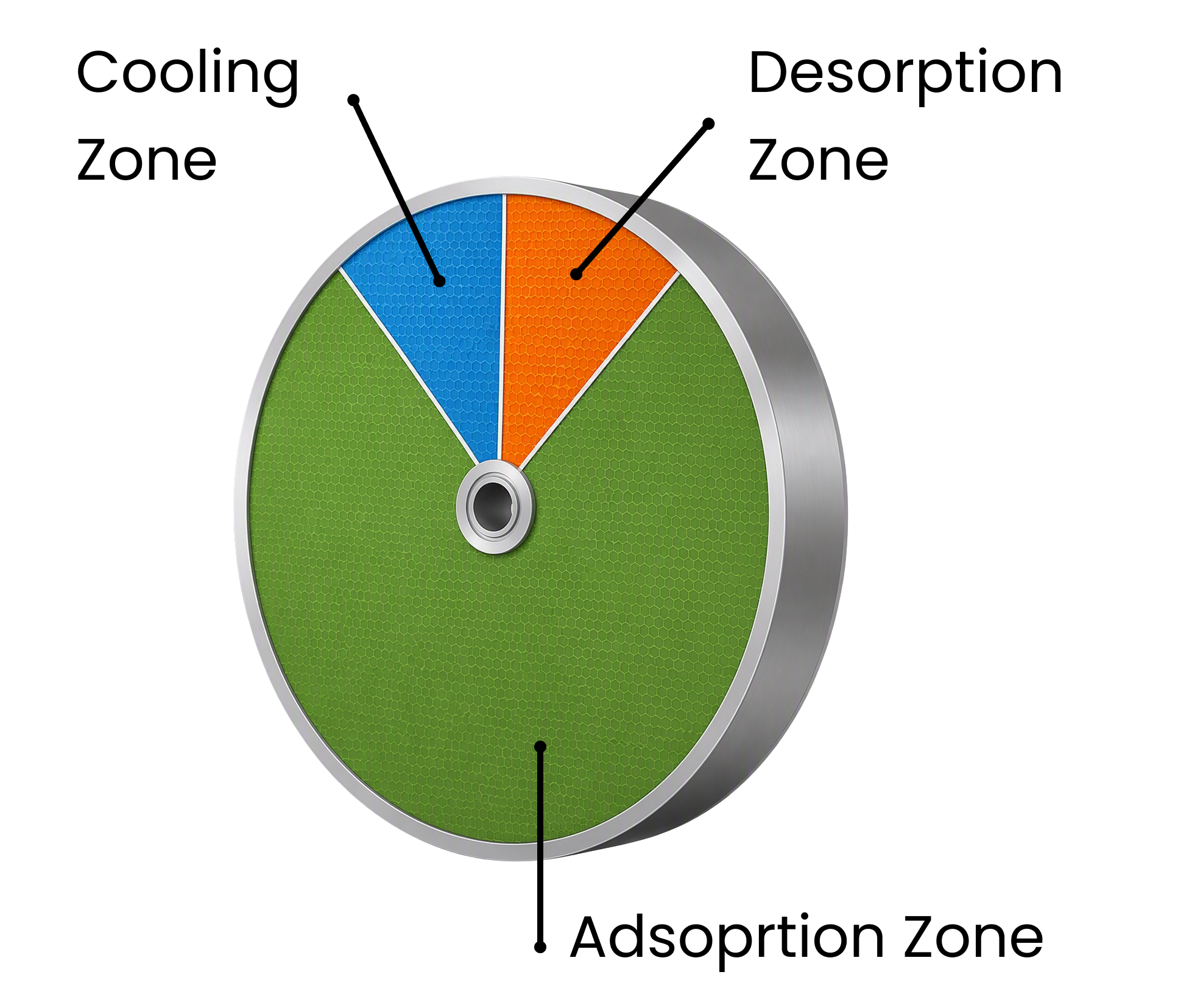
The result is a much smaller airstream with a higher VOC concentration. That concentrated stream is then sent to an RTO, thermal oxidizer or catalytic oxidizer for destruction. Kono Kogs’ existing VOC rotary concentrator systems typically concentrate the process stream before sending it to the downstream oxidizer.
For a detailed explanation of the complete system, see our guide to how VOC rotary concentrators work.
Choosing the right zeolite wheel
There is no single zeolite wheel that’s right for every VOC application. The wheel has to be matched to both the process stream and the rest of the air pollution control system.
Important factors include:
VOC composition and zeolite formulation
The types of VOCs in the process stream are very important because different zeolite pore structures adsorb different molecules more effectively. The goal is to choose a formulation that provides strong adsorption for the specific compounds present in the exhaust.
Airflow and wheel size
Zeolite wheels are available in different diameters and capacities for different process airflow rates. Larger process streams generally require larger wheel surface area. But wheel sizing also depends on VOC loading, operating conditions and the required performance of the system.
VOC concentration
Rotary concentrators are especially useful when a facility has a large volume of exhaust air with a relatively low VOC concentration. The wheel concentrates those VOCs into a smaller stream so the downstream oxidizer doesn’t have to process all of the original airflow.
Temperature and humidity
Process temperature and humidity can affect VOC adsorption and overall concentrator performance.
Downstream oxidizer requirements
The zeolite wheel is part of a larger system. Its concentration ratio, desorption airflow and operating conditions have to work with the RTO or other oxidizer receiving the concentrated VOC stream.
Kono Kogs considers the VOC stream, operating conditions, wheel requirements and downstream oxidizer all together to select a zeolite wheel that fits the complete application.
Zeolite wheels and RTO systems
A zeolite wheel doesn’t replace an RTO. It reduces the amount of air the RTO has to process.
For high-volume, low-concentration exhaust, sending the entire process airstream directly to an RTO would require a larger oxidizer and more energy. A zeolite concentrator captures the VOCs and transfers them into a much smaller airstream before that air reaches the RTO.
This arrangement can reduce both oxidizer size and operating cost when the application is a good fit for VOC concentration.
Kono Kogs used this approach for a semiconductor fabrication facility, pairing a refurbished VOC concentrator with zeolite adsorption media designed for semiconductor emissions and a custom thermal oxidizer. The completed system delivered 40% fuel savings and 40% electric savings compared to an RTO-only solution, with a similar physical footprint. Read the case study. Wondering whether a VOC concetrator is a good fit for your process? Use our decision tree.
When should a zeolite concentrator wheel be replaced?
Zeolite wheels can have a long service life, and age alone doesn’t define when replacement is necessary. Replacement should be considered when the wheel can no longer provide the adsorption and regeneration performance required by the process.
Signs that a zeolite wheel or its surrounding components need evaluation include:
- Declining VOC removal or concentration performance
- Increased VOC breakthrough in the treated exhaust
- Contamination or plugging that restricts airflow
- Visible physical damage to the wheel or rotor media
- Difficulty properly regenerating the wheel
- Process changes that introduce VOCs the existing zeolite formulation was not selected to handle
Seals, rotor drives, airflow balance, desorption temperature and other system components can also affect concentrator performance. Before replacing a wheel, Kono Kogs evaluates the entire system to decide whether the problem calls for a wheel replacement, another repair or a broader system upgrade.
Replacing a zeolite wheel without replacing the concentrator
A worn, damaged or poorly matched zeolite wheel doesn’t necessarily mean the entire VOC concentrator has to be replaced. Where the rest of the concentrator remains serviceable, replacing the wheel can extend the life of the system.
Kono Kogs supplies replacement zeolite VOC concentrator wheels for existing systems. The replacement must be selected for the actual process conditions, not just match the dimensions of the old wheel.
That includes evaluating factors such as:
- VOC composition
- Process airflow
- VOC concentration
- Temperature and humidity
- Required concentration ratio
- Existing concentrator dimensions
- Downstream oxidizer capacity
New and replacement zeolite wheels from Kono Kogs
Kono Kogs works with an industry-leading zeolite concentrator wheel supplier to provide the proper wheel size and zeolite formulation for each application.
We can provide:
- New zeolite VOC concentrator wheels
- Replacement wheels for existing VOC rotary concentrators
- Application-specific wheel sizing and zeolite selection
- Custom VOC rotary concentrator systems
- Dual zeolite wheel systems
- Integration with new or existing RTOs and other oxidizers
- Installation, commissioning and performance testing
Kono Kogs has supplied custom systems using application-specific zeolite adsorption media, including dual-wheel VOC concentrator systems integrated with RTOs.
Whether you need a replacement wheel or a complete new VOC concentrator system, send us your process information and we can help you find the best approach.
Zeolite concentrator wheel FAQ
A zeolite wheel is a rotating adsorbent rotor used inside a VOC concentrator. It captures VOCs from a large process airstream and releases them into a smaller concentrated airstream for downstream treatment.
No. The zeolite wheel is one of the main components inside a VOC rotary concentrator. The complete concentrator also includes the wheel housing, drive system, seals, process airflow, desorption airflow and other components.
Zeolite has a porous structure that can adsorb VOC molecules and release them again when heated. This allows the wheel to be regenerated continuously as it rotates through adsorption and desorption zones.
Selection depends primarily on the VOCs present in the process stream and the adsorption characteristics needed for those compounds. Airflow, VOC concentration, temperature, humidity and downstream system requirements also affect wheel selection.
Yes. In many cases, the wheel can be replaced without replacing the entire VOC concentrator, provided the rest of the system is in good condition.
There’s no fixed replacement interval. Properly selected and operated zeolite wheels can remain in service for many years. Replacement depends more on condition, contamination, physical damage and declining performance than age alone.
Yes. Pairing a zeolite VOC concentrator with an RTO is a common configuration for high-airflow, low-VOC applications. The wheel concentrates the VOCs into a smaller airstream before the RTO destroys them.
Dual VOC Rotary Concentrators for Automotive Manufacturing
See how Kono Kogs' fix to an automotive company's elevated VOC output lowered pollution & improved operational efficiency via a new VOC rotary concentrator