
Heat Recovery Systems in Thermal Oxidizers
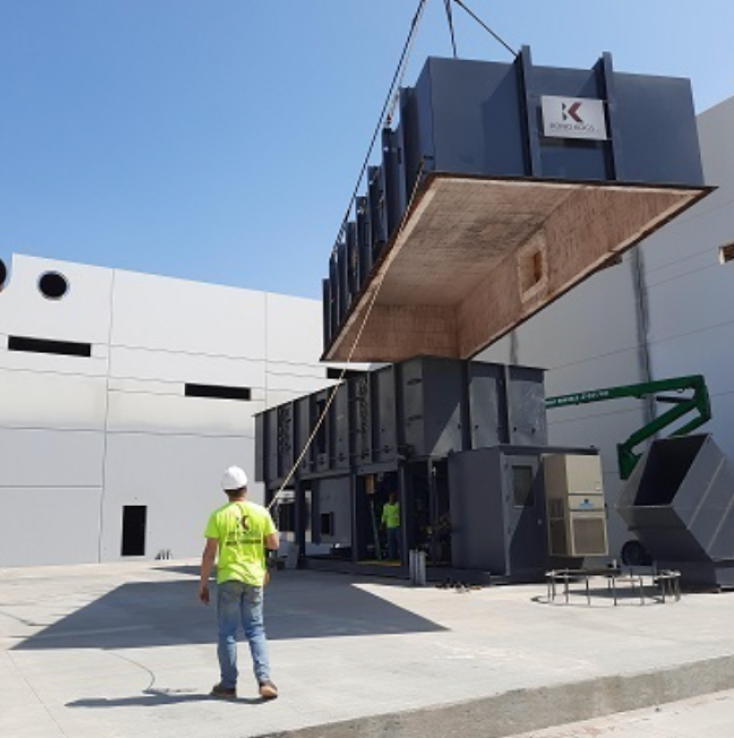
Every facility wants maximum performance at the lowest possible cost–especially for systems required by environmental regulations. Thermal oxidizers can be expensive to operate. That’s why heat recovery is critical. It is the single biggest factor in improving thermal oxidizer efficiency and reducing operating costs.
What is the Heat Recovery Process?
Heat recovery captures energy from the combustion process and uses it to preheat incoming polluted air. By elevating the temperature of the airstream before it enters the combustion chamber, less fuel is needed to destroy volatile organic compounds (VOCs) and hazardous air pollutants (HAPs). This process dramatically lowers energy consumption and operating costs.
What is a Heat Exchanger?
In thermal oxidizers, the heat exchanger transfers heat from hot exhaust air to cooler incoming air. This is typically achieved using ceramic media or heat-conductive metals that absorb and release heat efficiently. Airflow is redirected through valves or across heated surfaces so that incoming air warms up while outgoing air cools down–without mixing airstreams.
LEARN MORE - Components of Industrial Oxidizers
Types of Heat Recovery/Heat Exchangers
There are two primary heat recovery methods used in thermal oxidizers, along with a chemical process that offers similar benefits:
Recuperative Heat Recovery
This type of heat recovery system leverages the conductive properties of metals in shell/tube and plate type configurations. The air flow enters the cool side of the process, is heated up in the combustion chamber, then the hot exhaust air passes through a heat exchanger to transfer heat to the incoming air stream without mixing. This both heats the incoming air and cools the outgoing air. Industries commonly incorporating recuperative include food processing, coatings and metal finishing.
- Benefits: Simple design and is useful for moderate flow and consistent VOC levels
- Drawbacks: High particulate loads can foul the heat exchanger, and it has lower heat recovery capability than other types.
Regenerative Heat Recovery
Regenerative Thermal Oxidizers (RTOs) incorporate conductive ceramic media beds that absorb and release heat depending on the stage of the heating cycle. Regenerative heat recovery of this type redirects air via a system of valves so that in one cycle the ceramic media is heated by the combustion stage, then the valves switch so the media bed is directly exposed to the cooler incoming air. This process achieves some of the highest heat recovery rates in thermal oxidizer systems.
Learn more about how RTOs work
- Benefits: High efficiency at around 85-95% recovery, and works well in high-volume with low-VOC streams
- Drawbacks: RTOs have higher initial capital cost and valve wear than other types and more moving parts means more maintenance costs
Learn more about the difference between Recuperative & Regenerative Heat Exchangers
Catalytic Oxidation
Though technically not a heat exchange process, this method - which relies on chemical reactions - effectively weakens pollutant chemical bonds which allows for a lower combustion temperature to achieve full airstream pollutant destruction. Catalytic Oxidizers’ key feature is the use of a precious metal catalyst to chemically react with pollutants in the airstream. Most catalytic oxidizers incorporate recuperative heat recovery systems as well.
- Benefits: Lower fuel demand and consumption compared to other oxidizer systems, and a compact footprint
- Drawbacks: Catalyst can be poisoned by particulate matter and chemicals within the air stream, and catalyst replacement can be costly
Benefits of Heat Recovery Processes in VOC Destruction Systems
There are several advantages to incorporating heat recovery methods into an air pollutant destruction process. Key benefits include:
- Lowered Energy Use & Fuel Costs: using recovered heat to preheat the incoming polluted air reduces the amount of energy (fuel) used in the combustion stage. This provides significant savings.
- Reduced Operating Costs: less fuel use to achieve the desired result means higher efficiency. This translates to lower operating costs for the oxidizer as a whole.
- Secondary Heat Recovery: After the oxidizer system uses the heat for combustion efficiency, the hot clean air can be used in other processes within the plant. This can include steam production, industrial process preheating, or heating the facility itself.
- Improved Carbon Footprint: lowered fuel consumption from reusing the heat means reduced emissions. This furthers the purpose of pollution abatement systems, which is to lower the environmental impact of various manufacturing processes.
KKI Helps Facilities Choose Heat Exchange Methods
Choosing the right heat recovery method can save your facility thousands in annual energy costs. Each system has unique benefits and best-fit applications. Our team of industrial thermal oxidizer experts can help you select the ideal solution–whether new or refurbished–to meet your compliance and efficiency goals.
Contact our team today to get a new or used custom pollution abatement solution to fit your needs.
Heat Recovery FAQs
Get quick answers to commonly asked questions about heat recovery systems in thermal oxidizers here:
It depends on some design factors that need to be scrutinized but typically, no. Advancements in new structured media designs can sometimes increase the thermal efficiency and reducing pressure drops through the media beds. This can sometimes can provide a couple percentage points of capacity increases over RTOs that utilize saddle ceramic media.
In most cases, yes. But proper evaluation is recommended to establish that no potential catalyst poisons or masking agents are present in your airstream.
Catalyst utilized in a regenerative catalytic oxidizer (RCO) allows chemical reactions to occur at lower temperatures (700-800F) than they occur in a thermal oxidizer (typical 1400-1450F) or an RTO (typical 1600F).
Read more in Comparison: RTOs and RCOs.
An RCO is essentially an RTO with a catalyst layer added. (See What is an RTO?).
There are two main types of ceramic media. Structured ceramic media is typically block-shaped, with ceramic materials configured in a geometric design. It is often placed in several layers. The other type of ceramic media is random-packed ceramic saddles. These smaller, U-shaped (also called saddle-shaped) ceramic pieces are also availiable in different sizes and are spread and leveled evenly across the media bed. Kono Kogs also offers custom media configurations, such as a hybrid media bed, to best fit the heat transfer and particulate requirements of each process and unit.
Typically 1400° F minimum up to 1550° F depending upon the VOC characteristics. Read more in Operating Temperatures of Different Oxidizers.
Catalytic Oxidizers typically operate at temperatures of 500° - 750°F
Regenerative Catalytic Oxidizers (RCO) typically operate at temperatures between 750° - 950°F
