
Valve Switches & Airflow Reversal in Oxidation Systems
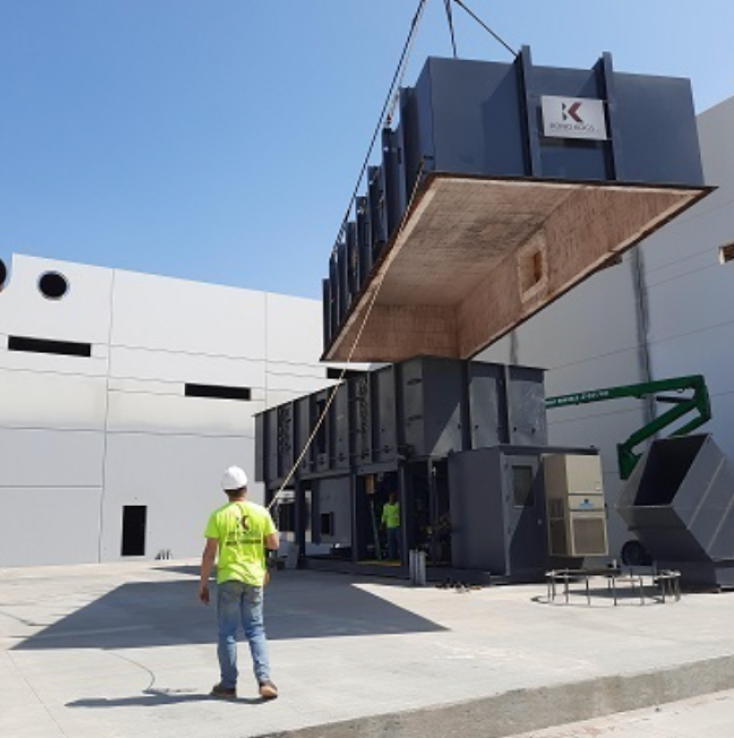
Precision Valve Switching for Maximum Heat Recovery
Reliable airflow reversal is essential to RTO and RCO efficiency. Explore how modern valve technology ensures tight sealing, stable operation, and consistent thermal performance.
Valve Switches: Air Reversal for Heat Recovery Systems
Valve switches play a crucial role in regenerative thermal oxidizers (RTOs) and regenerative catalytic oxidizers (RCOs). RTO valve switching reverses the direction of airflow on a timed cycle, allowing the system to capture and reuse thermal energy rather than exhausting it to the atmosphere. Proper valve selection and operation directly affect RTO efficiency, pressure stability, maintenance requirements, and overall performance in industrial air pollution control.
How Valve Switching Supports Heat Recovery
In regenerative oxidizer systems, airflow is periodically reversed so incoming polluted air can be preheated using energy captured from the previous cycle. A typical oxidation cycle consists of several stages:
- Preheating – Incoming air passes through a heat sink, such as ceramic media beds, that was previously heated by clean exhaust air, preheating the incoming dirty airstream.
- Combustion/Oxidation – The preheated air enters the combustion chamber, where volatile organic compounds (VOCs) and other pollutants are oxidized at high temperatures.
- Cooling – The now-clean, hot air flows through a second heat sink, transferring its thermal energy to the media.
- Exhaust – The cooled, treated air is released to the atmosphere.
In systems like RTOs, a full cycle typically lasts between 90 and 180 seconds, though cycle times can vary depending on system design, flow rates, and process requirements. Once a cycle is finished, the valves reverse the airflow so that cool, polluted incoming air is redirected through the media bed that was previously used to cool the hot exhaust stream. This process is essential to achieving high RTO thermal efficiency and stable operation.
LEARN MORE - How Regenerative Thermal Oxidizers Work
Media Beds and Heat Exchanger Role Reversal
Because the valves swap airflow direction each cycle, the media beds are constantly exchanging roles:
- One side absorbs heat from outgoing, treated air
- The other releases stored heat to incoming, untreated air
This process preheats combustion air entering the oxidation chamber while exhaust air is pre-cooled before discharge. Effective and reliable air-reversal valve systems are essential to consistent heat recovery and stable RTO performance.
Valve Types Used for Air Reversal in Oxidizers
Several valve designs are used to manage airflow reversal in heat-recovery oxidizer systems. The two most common are poppet valves and rotary valves:
Poppet Valves
Poppet valves operate using a pneumatic cylinder that raises or lowers a disk against a circular seat to open or close the airflow path. When fully seated, the valve creates a tight seal, making it suited for applications where RTO leakage control is critical.
Benefits of poppet valves include:
- Proven performance, widely used design in RTO applications
- Reliable sealing when properly maintained
- Straightforward function using pneumatic systems
However, poppet valves can introduce pressure pulses during switching due to their rapid open-and-close motion. The poppet valves also will bypass polluted air directly to the stack while in motion. This bypass may increase the need for puff capture systems downstream before the exhaust stage to prevent untreated emissions during valve transitions.
Rotary Valves
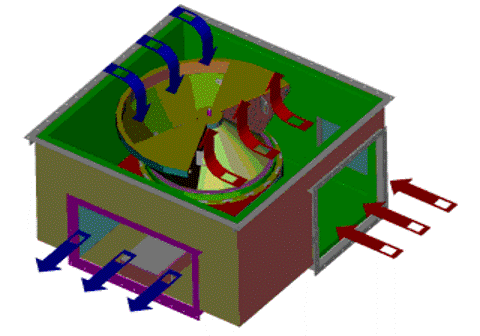
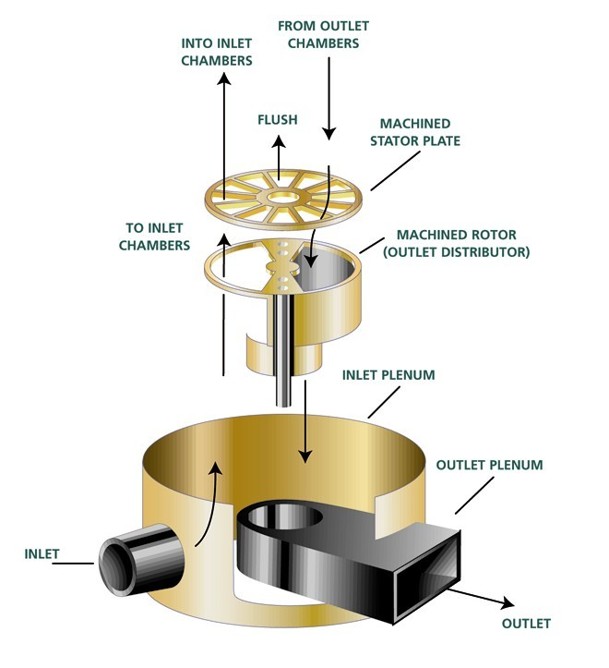
Rotary valves incorporate a rotating element that opens and closes airflow passages against a stationary surface. Instead of a vertical sealing motion used in poppet valves, the rotary valve rotates between positions, providing a smooth airflow direction change.
Advantages of rotary valves include:
- Smoother airflow transitions with minimal RTO pressure spikes
- Well-suited for large-volume, high-flow applications
- Often lower long-term RTO maintenance requirements compared to poppet valves
Because of their gradual switching motion, rotary valves can reduce pressure disturbances in the system, which may improve overall stability and reduce wear on downstream components.
Butterfly Valves
In older oxidizer designs, butterfly valves were sometimes used for airflow control and direction changes. While simple and cost-effective, butterfly valves do not provide the sealing performance or durability required for today’s regenerative thermal oxidizers. Their design can allow more leakage compared to poppet or rotary valves, which reduces heat‑recovery efficiency and increases the risk of untreated air bypassing the system during switching. Additionally, the large rotational movement of the disc can create abrupt airflow disturbances, contributing to pressure fluctuations during cycle transitions. For these reasons, the industry has largely moved away from butterfly valves in RTO applications, favoring poppet and rotary valve technologies that offer tighter sealing, smoother transitions, and more reliable long‑term performance.
Choosing the Right Valve Switch Design
The choice between poppet valves and rotary valves depends on several factors, including system size, airflow rates, emission control requirements, process sensitivity, maintenance preferences, and budget considerations. Regardless of design, valve switches must be precisely timed and reliably sealed to properly aid in heat recovery, emissions compliance, and consistent oxidizer performance.
When properly selected and maintained, air-reversal valve systems allow regenerative oxidizers to achieve high thermal efficiencies while delivering stable, dependable industrial pollution control performance.
FAQ
Below are some of the questions we get about valve switches. We love to share our knowledge to help business owners navigate the world of oxidizers! Don't hesitate to reach out if you don't see your question answered here.
What is the “puff effect” related to switching valves?
The “puff effect” refers to a momentary release of untreated VOCs into the exhaust stack during the airflow reversal cycle. This happens because poppet valves trap a small amount of process air in the inlet plenum, which gets pushed out of the stack when the valve switches direction.
The solution is equipping the RTO with a “puff chamber” which is a third chamber that uses a vacuum or recirculation loop to direct the untreated puff of air back into the combustion chamber. Alternatively, transitioning to rotary valves can mitigate the puff effect by providing a smoother transition that reduces the volume of trapped untreated air.
How are RTO valves actuated and why are different drivers used?
RTO valve actuation is typically driven by either pneumatic cylinders or electric actuators, depending on the required speed and torque. Pneumatic actuation is the industry standard for poppet valves because it allows for rapid, high-force sealing, which is essential for maintaining the 98% to 99%+ VOC destruction efficiency required by EPA Title V permits.
In contrast, rotary valves typically rely on electric gear motors with variable frequency drives (VFDs). These are used because they allow precise, modulated rotation speeds, which eliminates the mechanical "slam" of pneumatics. This precision reduces mechanical wear on the valve seats and provides a smoother pressure profile across the ceramic media beds.
How often do RTO valves switch?
Cycle times vary widely by design, but RTO valves typically switch every 90 to 180 seconds. Frequency is determined by the thermal energy recovery goals of the facility: shorter cycles keep the ceramic heat exchange media hotter (increasing thermal efficiency) but result in more frequent "puffs" of untreated air.
Longer cycles reduce the frequency of emission spikes but allow the media beds to cool significantly, which can lead to higher natural gas consumption in the combustion chamber. Optimizing the airflow reversal frequency for your specific industry strikes the right balance between fuel efficiency and regulatory compliance.
How much maintenance do switching valves need?
RTO valve maintenance focuses on three critical components: seals, actuators, and limit switches. Poppet valve seats must be inspected quarterly for particulate buildup which prevents a tight seal and provides a path for dirty air to short circuit to the exhaust stack. Pneumatic systems also require regular lubrication and moisture removal from filter regulators to prevent sluggish valves and other mechanical issues.
For rotary valves, maintenance focuses on the central bearing and the sealing face tolerance. Maintaining a tight gap between the rotating and stationary elements is crucial to prevent internal leakage that harms RTO performance efficiency. Recommended maintenance intervals depend on operating conditions and OEM guidelines. Learn about our KOKO Care plan options that aim for zero non-scheduled downtime.
What happens if you don’t keep up with switching valve maintenance?
Failure to maintain RTO switching valves leads to a rapid decline in efficiency, and increases wear-and-tear across the system. When poppet valve seals or rotary valve tolerances aren’t inspected it can lead to bypass leakage, causing short-circuiting of untreated process air directly through the stack. This puts the facility at immediate risk of EPA compliance violations.
Improper maintenance of pneumatic actuators or limit switches can lead to out-of-sync switching. This creates pressure spikes that can collapse or shift the ceramic heat exchange media, leading to higher pressure drop (flow resistance) and electrical consumption by the main blower. Over time, the thermal shock from inconsistent airflow can crack the refractory lining, resulting in an unscheduled RTO rebuild.
Contact the oxidizer pros at Kono Kogs with your questions about switching valves… or anything else!
RTO Rotary Valve Drive Upgrade: Pneumatic to Electric
Case Study: Kono Kogs removed an RTO's pneumatic valve drive, then designed, fabricated & installed an electric drive assembly to reduce risk of downtime.


